
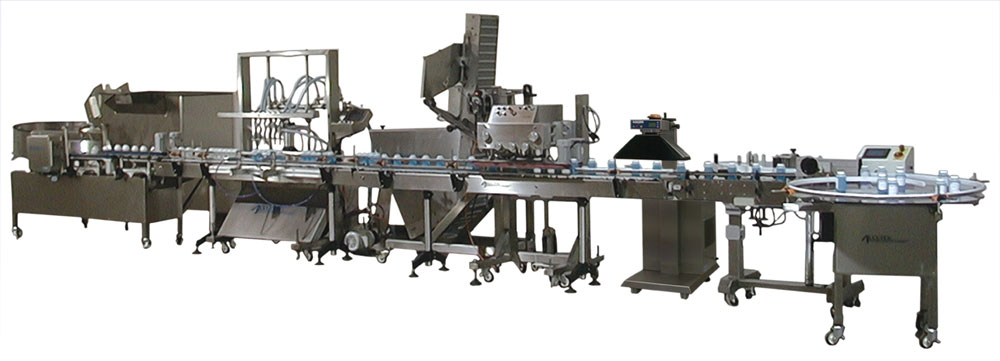
Many manufacturing facilities in California invest heavily in modern packaging machinery, expecting faster output and better efficiency. On paper, each packaging machine performs exactly as promised. Fillers meet speed targets, labelers apply clean labels, and cappers pass inspection tests. Yet once these machines are connected into a full line, overall performance often falls short.
The issue is rarely the equipment itself. Most problems come from weak packaging line integration. When machines are selected and installed without system-level planning, small mismatches build up across the line. Over time, these mismatches reduce output, increase downtime, and force operators to step in far too often.
This article explains why machines can succeed individually but fail as a system, why this problem appears so often in California facilities, and how properly engineered integration creates stable, high-performing packaging lines.
Why Packaging Line Integration Is Especially Critical in California
Manufacturing in California brings unique pressures that make poor integration more visible and more costly. Labor costs are higher, compliance requirements are stricter, and many plants run frequent product changeovers. These conditions leave little room for inefficiency.
When packaging machinery is not designed to work together as a system, production losses show up quickly. A minor slowdown at one machine can ripple across the entire line, turning small issues into daily operational problems. In this environment, integration is not optional—it is essential.
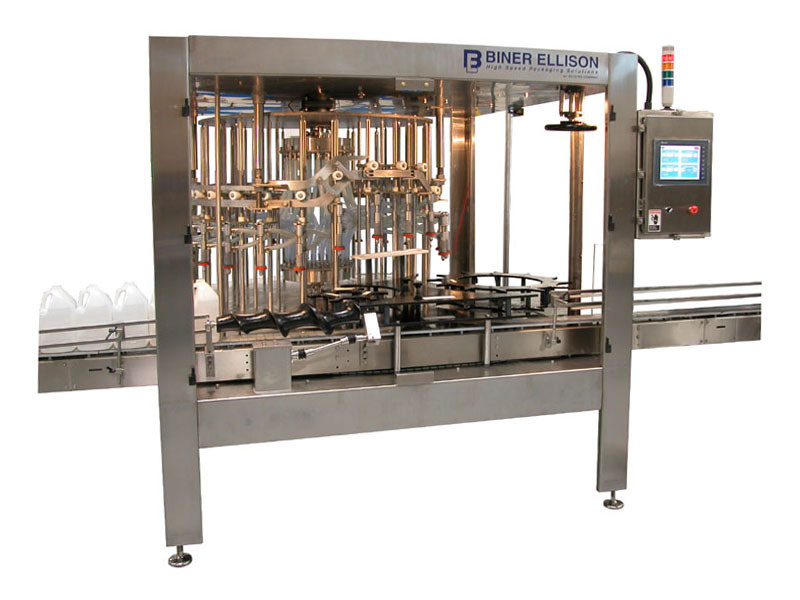
Why Good Machines Still Produce Weak Line Performance
Many buyers evaluate equipment based on specifications such as speed, accuracy, or build quality. While these factors matter, they do not show how machines behave once they are linked together.
A packaging line only performs as well as its weakest connection. When machines are not balanced for flow, spacing, and recovery, the line becomes unstable even if every individual unit is high quality.
Common Line Problems and Their Real Causes
| Line Symptom | Common Assumption | Actual System Issue |
|---|---|---|
| Frequent short stops | Operator error | Poor flow coordination |
| Machines waiting upstream | Slow equipment | Speed mismatch |
| Recurring jams | Mechanical defects | Lack of accumulation |
| Long restart times | Training gaps | No system recovery logic |
These problems are not caused by bad machines. They are caused by missing system design.
Where Packaging Line Integration Usually Breaks Down
Most integration failures begin in predictable areas.
Container infeed is often unstable, which leads to spacing and orientation issues downstream. Speed differences between machines create pressure points that trigger backups or starvation. Without proper accumulation, even brief stops shut down the entire line. Changeovers take longer because machines reset independently instead of as a coordinated system.
When these weaknesses combine, operators are forced to manage the line manually rather than supervise a stable process.
The Difference Between Machine Selection and System Engineering
True integration focuses on how the entire packaging system behaves during real production, not just during testing.
Machine-Focused vs. System-Focused Line Design
| Design Focus | Machine-Only Approach | Integrated System Approach |
|---|---|---|
| Speed targets | Rated maximums | Sustainable operating speed |
| Line flow | Uncontrolled | Managed and balanced |
| Downtime response | Manual intervention | Planned recovery paths |
| Output consistency | Variable | Predictable and repeatable |
System engineering does not reduce machine capability. It ensures that capability is usable.
Integration Challenges Across California Manufacturing Sectors
Different industries face different integration risks.
Food and beverage lines often struggle with moisture, labeling precision, and container stability. Cosmetic and personal care products introduce non-round bottles that require precise handling. Pharmaceutical and nutraceutical lines must keep counting, filling, and verification perfectly synchronized. Chemical packaging demands safe spacing and controlled flow to prevent spills.
Each industry requires a tailored integration strategy, but the goal remains the same: stable, predictable system performance.
How Accutek Builds Integrated Packaging Systems in California
Accutek approaches packaging machinery as part of a complete system, not as isolated equipment. Integration planning begins early, before machines are finalized or installed.
Key priorities include controlled container flow, balanced speeds, proper accumulation, and simplified changeovers. This system-first approach reduces operator intervention and protects long-term throughput.
Accutek’s Integration Design Priorities
| Integration Area | Design Objective | Operational Benefit |
|---|---|---|
| Container handling | Consistent spacing | Fewer jams |
| Speed balancing | Matched outputs | Steady line flow |
| Accumulation | Absorb short stops | Higher uptime |
| Changeover logic | Coordinated restart | Faster recovery |
This methodology allows packaging systems in California to perform reliably under real-world conditions.
The Hidden Cost of Poor Integration
Lines with weak integration often appear functional, but they quietly drain productivity. Extra labor, repeated micro-stops, quality drift after restarts, and increased wear on equipment all add up. Over time, these losses exceed the cost of proper system design.
Building Packaging Systems That Can Grow
California manufacturers operate in fast-changing markets. New products, new regulations, and rising output demands require packaging systems that can adapt without constant rework.
Integrated packaging machinery provides that flexibility. When the system is engineered correctly, upgrades are easier, output scales more smoothly, and production remains stable as demands increase.
Key Takeaways
- Strong machines do not guarantee strong line performance
- Most failures occur between machines, not inside them
- California facilities feel integration problems faster due to cost and compliance pressure
- System-level design improves uptime, flow, and predictability
- Proper integration protects both output and long-term investment

