
California’s craft beer and wine industries are among the most dynamic and competitive in the United States. With producers ranging from small boutique batches to high-volume seasonal runs, packaging efficiency and brand presentation are critical to success.
One of the most important steps in packaging is labeling—a process that affects both regulatory compliance (barcodes, ingredient lists, ABV labeling) and market appeal (brand identity on crowded shelves). For breweries and wineries, the choice of labeling machine must be informed by bottle variability, production volume, changeover frequency, and product type.
This article explores the best labeling machines for California craft breweries and wineries, explained in terms of engineering performance, operational reliability, and real production needs.
The Importance of Labeling Accuracy in Craft Brewing & Winemaking
Unlike simple secondary packaging, beverage labeling must handle:
- Variable bottle shapes and sizes (standard, stubby, magnum, etc.)
- High production runs during seasonal peaks
- Humidity and surface condensation
- Regulatory requirements for alcohol products
- Brand differentiation and design complexity
Labeling machines used in these environments must combine precision, flexibility, and uptime, ensuring each bottle leaves the line correctly labeled, aesthetically consistent, and compliant with industry regulations.
Types of Labeling Machines Used in Beverage Packaging
Before discussing specific models, it’s useful to understand common labeling machine categories used in breweries and wineries:
| Labeling Type | Best For | Typical Container Shapes |
|---|---|---|
| Pressure-Sensitive Labelers | Front & back labels on round bottles | Round beer & wine bottles |
| Wrap-Around Labelers | Full concentric labels | Cylindrical bottles |
| Dual-Head Labelers | Front + back labeling | Square/rectangular bottles (specialty runs) |
| Shrink Sleeve Systems | Full-body label coverage | Specialty and custom bottle shapes |
Each machine type is engineered for specific container behaviors and label materials.
Best Labeling Machines for Craft Breweries & Wineries
1. Tabletop & Mid-Speed Pressure-Sensitive Labelers
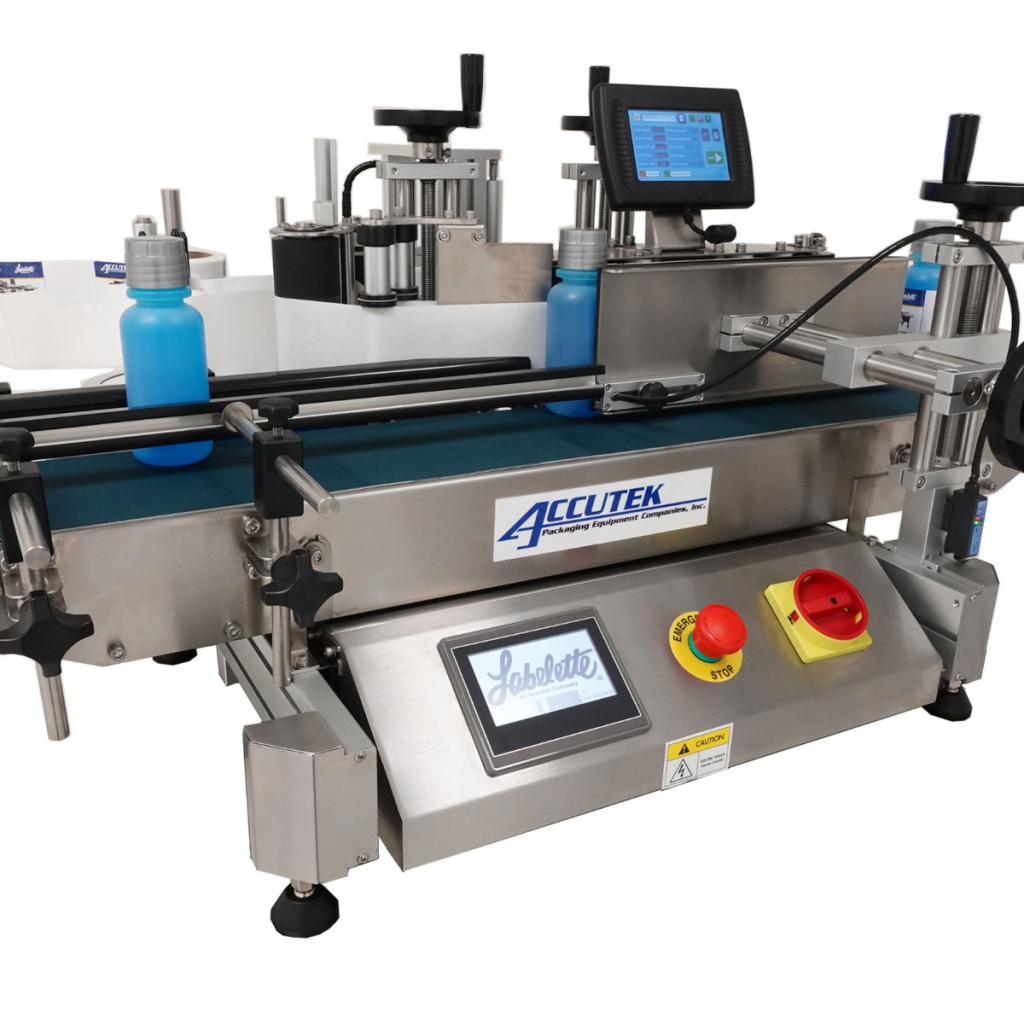
These are ideal for breweries and wineries that handle:
- Smaller batch runs
- Multiple SKUs
- Frequent changeovers
| Machine Feature | Benefits for Craft Producers |
|---|---|
| Adjustable guides | Handles different bottle diameters |
| Quick changeovers | Less downtime during SKU switches |
| Compact footprint | Fits tight production floors |
Best For: Small to mid-size craft producers looking to combine flexibility with precision.
2. Wrap-Around Labelers for Round Bottles
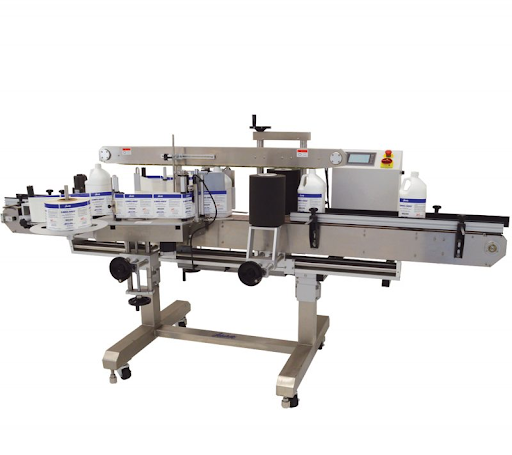
Wrap-around labeling machines excel where full label coverage and high throughput are needed. In brewery and winery operations, this category is often used for:
- Full front-to-back branding wraps
- Higher speed lines
- Consistent placement on round profiles
| Operational Advantage | Description |
|---|---|
| High throughput | Supports seasonal ramp-ups |
| Consistent wrap precision | Reduces mislabels |
| Sensor-driven controls | Ensures repeatability |
Best For: Facilities with a need for both accuracy and speed.
3. Dual-Head Labelers for Specialty Applications
Although less common for standard bottles, dual-head labelers are effective when packaging includes front and back labels simultaneously or when multiple label types (e.g., regulatory + branding) must be applied in one pass.
| Use Case | Advantage |
|---|---|
| Multi-label packaging | Single pass application |
| High SKU variety | Fewer setups |
| Flat panels / unique shapes | Precise alignment |
Best For: Custom varietals or specialty packaging lines.
Key Engineering Considerations for Beverage Labeling
Choosing the right equipment isn’t just about machine type — it’s about engineering match to the brewery or winery’s production realities.
Bottle Stability & Handling
Beverage containers vary in material (glass, PET) and shape. Proper handling systems ensure bottle control throughout the labeling section to prevent misalignment or labeling errors.
| Labeling Challenge | Engineering Need |
|---|---|
| Wet or cold bottles | Stable guides & sensors |
| Varying diameters | Adjustable belts & guides |
| High line speeds | Synchronization and servo control |
Changeover Efficiency
Craft facilities often switch between:
- Different bottle formats
- Seasonal brews
- Limited releases
Labeling machines with tool-less changeovers and programmable recipes reduce downtime and increase flexibility.
Integration With Packaging Lines
Labeling machines perform best when seamlessly integrated with filling and capping equipment, conveyors, and inspection systems. Engineering integration ensures:
- Balanced throughput
- Reduced product jams
- Synchronized speed control
This becomes especially important in high-speed winery bottling lines or brewpub packaging runs.
Maintenance, Support & Long-Term Reliability
For many California manufacturers, uptime matters more than speed. Mechanical engineering choices such as:
- Durable bearings
- Quality sensors
- Accessible spare parts
- U.S.-based service
can significantly affect long-term reliability, reduce downtime, and protect production schedules.
Cost of Ownership vs Upfront Cost
When selecting a labeling solution, breweries and wineries must evaluate:
- Initial capital outlay
- Installation engineering effort
- Changeover and training time
- Spare parts availability
- Service response times
Equipment that delivers lower total cost of ownership often outperforms cheaper systems in real production environments.
Operational Recommendations
To ensure the best match, breweries and wineries should:
1. Evaluate container variability before choosing a labeler
Different bottle shapes impact how labels wrap and adhere.
2. Prioritize stable bottle handling over raw label speed
Consistency beats peak BPM every time.
3. Use modular systems that grow with demand
This prevents premature replacement as lines expand.
4. Integrate controls for synchronized operation
Labeling should work in concert with fillers and cappers.
Summary: Best Fit by Production Scale
| Production Scale | Recommended Labeling Solution |
|---|---|
| Small batch / taproom | Tabletop pressure-sensitive labeler |
| Mid-size craft facility | Wrap-around labeler with adjustable guides |
| High-volume winery | Fully integrated high-speed labeler |
| Specialty runs / mixed SKUs | Dual-head or modular labeler |
Frequently Asked Questions (FAQ)
What type of labeling machine is best for round beer bottles?
A wrap-around pressure-sensitive labeler with stable bottle guides.
Can a labeling machine handle cold, condensation-covered bottles?
Yes — systems with strong sensors and stable handling guides perform best.
Is shrink sleeve labeling suitable for craft bottles?
Shrink sleeve can be used for full-body decoration but involves heat tunnels and higher cost.
How important is changeover time in craft production?
Very — fast, tool-less changeovers improve uptime significantly.
Should labeling be integrated with filling and capping?
Yes — mechanical integration improves reliability and reduces jams.
For questions and inquiries about labeling machines contact or visit us our office in California
Accutek Packaging Equipment Company, Inc.
Address: 2980 Scott St, Vista, CA 92081
Phone Number: +17607344177
Map Direction:

