Automated Filling, Capping, Labeling & Integrated Packaging System Solutions
Packaging machines are industrial systems designed to fill, seal, label, and prepare products for shipping. They make product production more efficient, improve your packaging process, and help produce higher-quality products.
Automated packaging machinery plays a critical role in:
Maintaining fill accuracy and product consistency
Protecting product integrity
Ensuring labeling compliance and meeting regulations
Increasing production throughput
Reducing labor dependency
Supporting scalable growth
When properly engineered and placed in a packaging line, packaging machines can do so much more than individual machines.
A packaging machine is automated equipment designed to fill, seal, label, or prepare products for shipping.
2. How do I choose the right packaging equipment system?
Key factors for choosing packaging equipment include:
Product viscosity
Container design Closure type
Target speed
Facility layout
And long-term growth plans
3. What’s the difference between semi-automatic and automatic packaging machines?
Semi-automatic systems need operators to work them. Automatic systems operate by themselves and can reach higher rates of production. Flexible automation simplifies the production process.
4. How much production speed do I need from a packaging machine?
Required speed depends on demand forecasting, shipping volume, labor efficiency goals, and future expansion objectives.
5. Can packaging machines be customized?
Yes. Systems can be engineered for specific packaging needs. Like different kinds of containers, products, labeling formats, and integration requirements. It comes down to picking the optimal combination of the right packaging equipment.
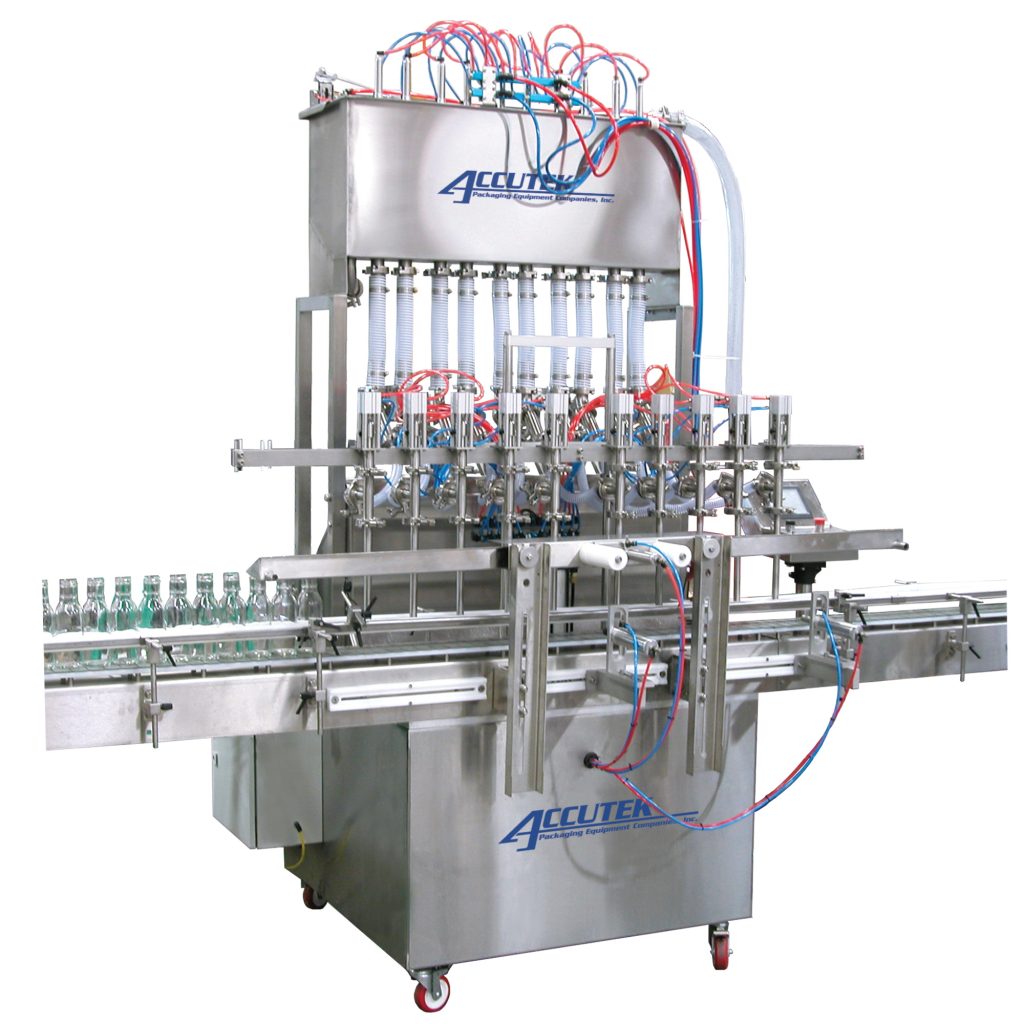
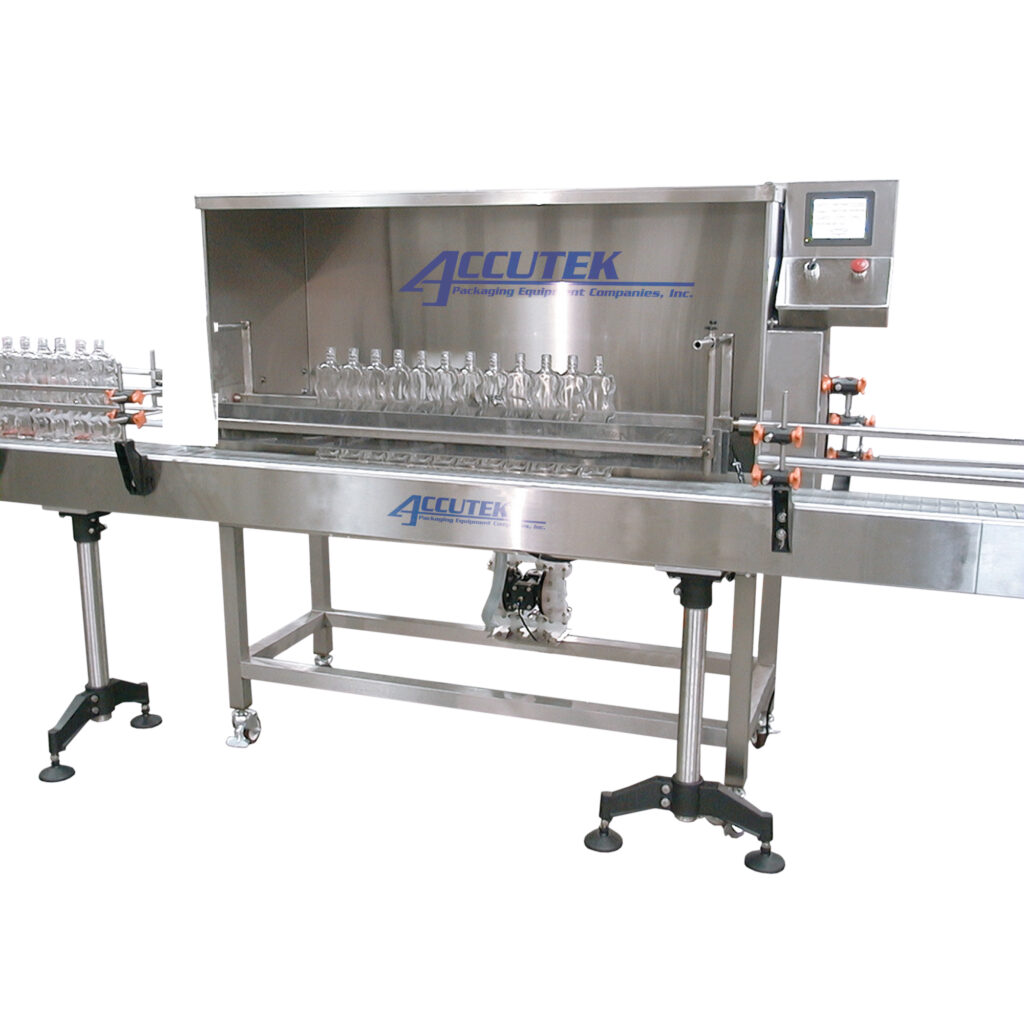
Filling Machines
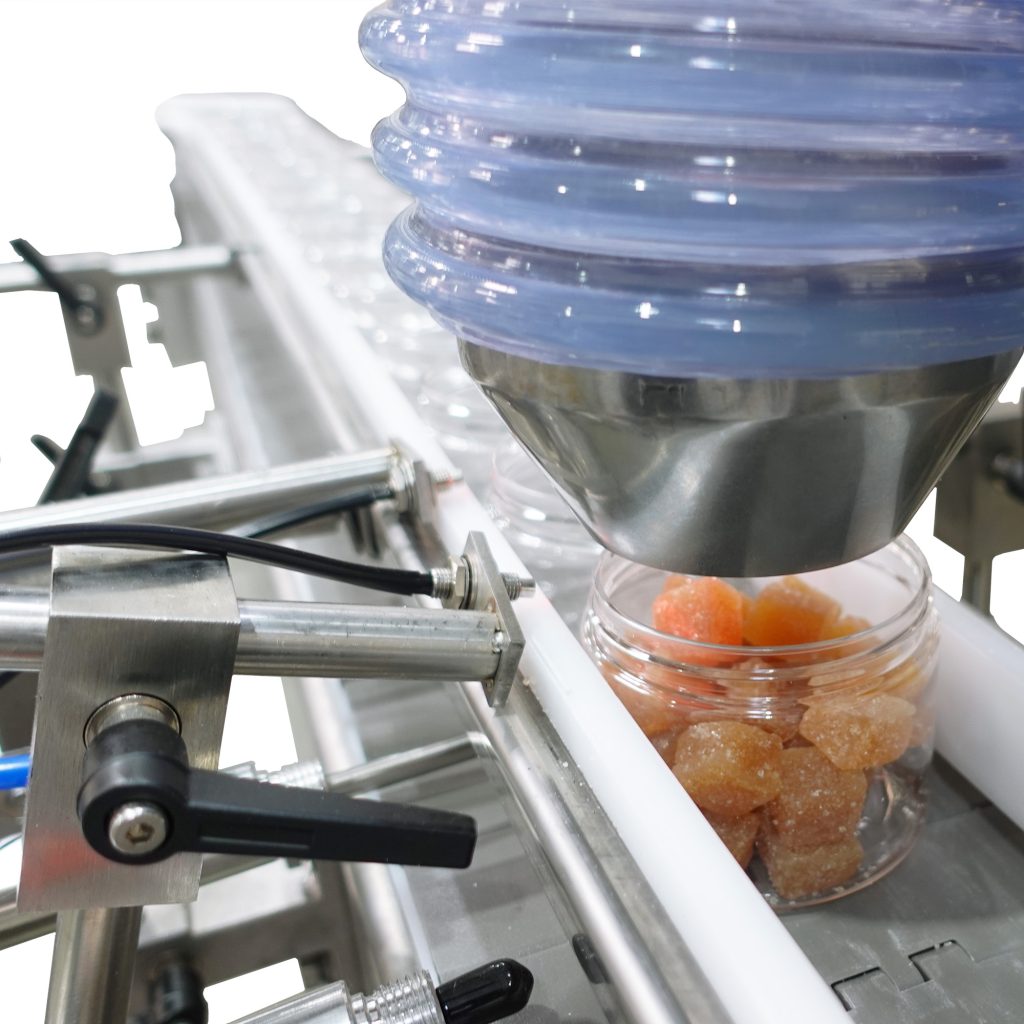
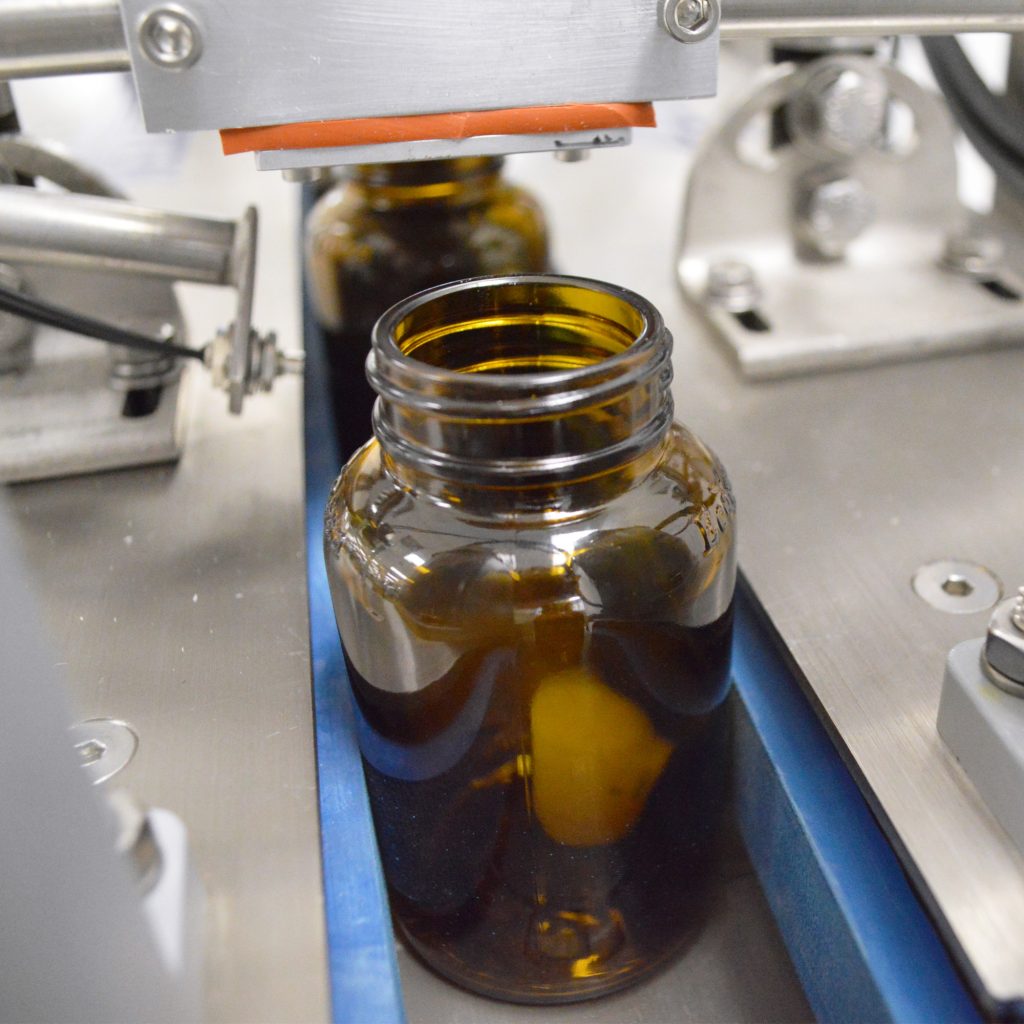
Filling machines control product volume and dosing precision. They can be used to fill bags and containers with product.
Assembling the most efficient system depends on a product’s:
Viscosity
Foaming qualities
Sanitation requirements
Container type
And target output speed
Liquid Fillers
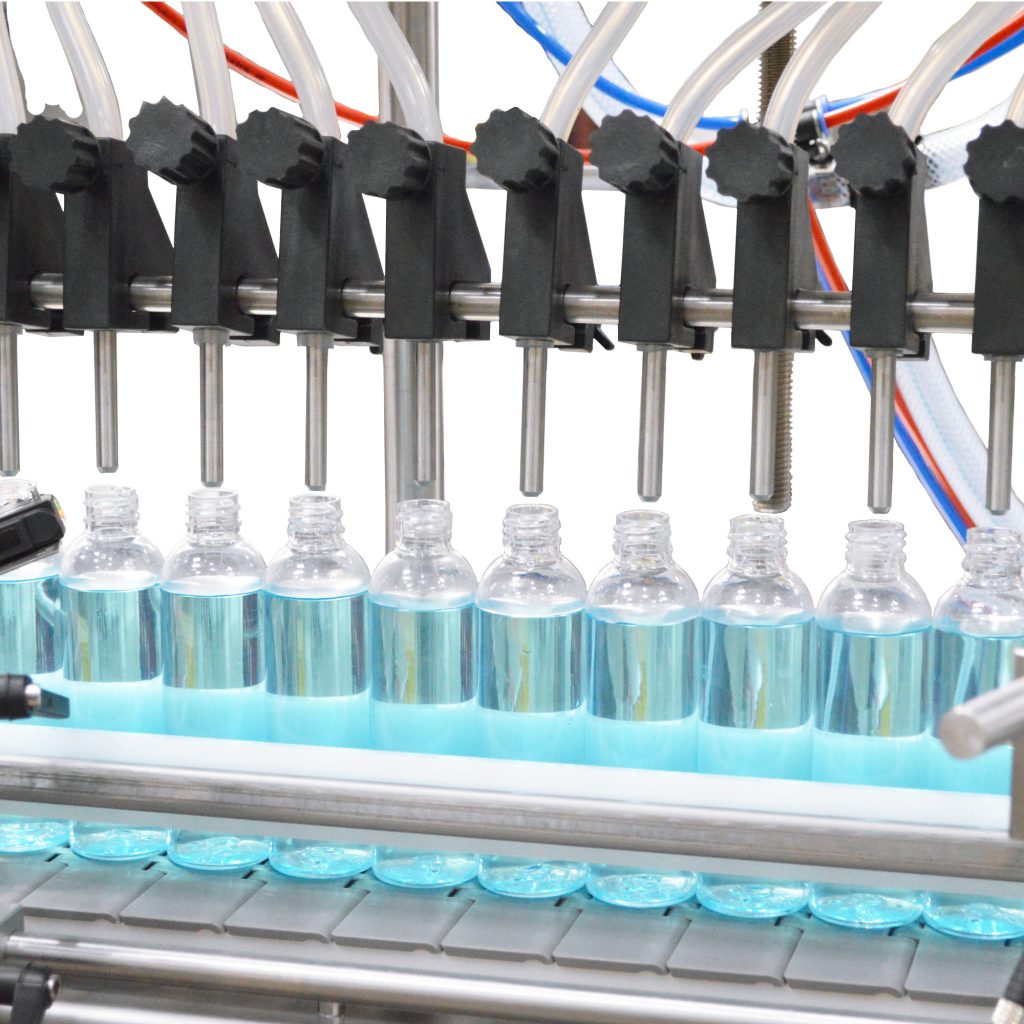
Liquid filling systems are designed for free-flowing products such as beverages, chemicals, and household liquids.
Precise dispensing
Adjustable fill volumes
Can be used with multiple container sizes
Easily integrated into automated lines
Overflow Fillers
Ideal for low- to medium-viscosity liquids requiring consistent visual fill levels.
Uniform fill appearance
Good for clear containers
Good for beverage and personal care applications
Piston Fillers
Engineered for thick or viscous products such as sauces, creams, and gels.
High spatial accuracy
Repeatable dosing control
Durable for demanding environments
Good for food, cosmetic, and chemical industries
Volumetric Fillers
Controlled by timed or measured output cycles.
Reliable, consistent liquid flow
Adjustable output control
Efficient for mid- to high-speed production
Each filling system can operate by itself, or it can work with capping and labeling equipment within a complete line.
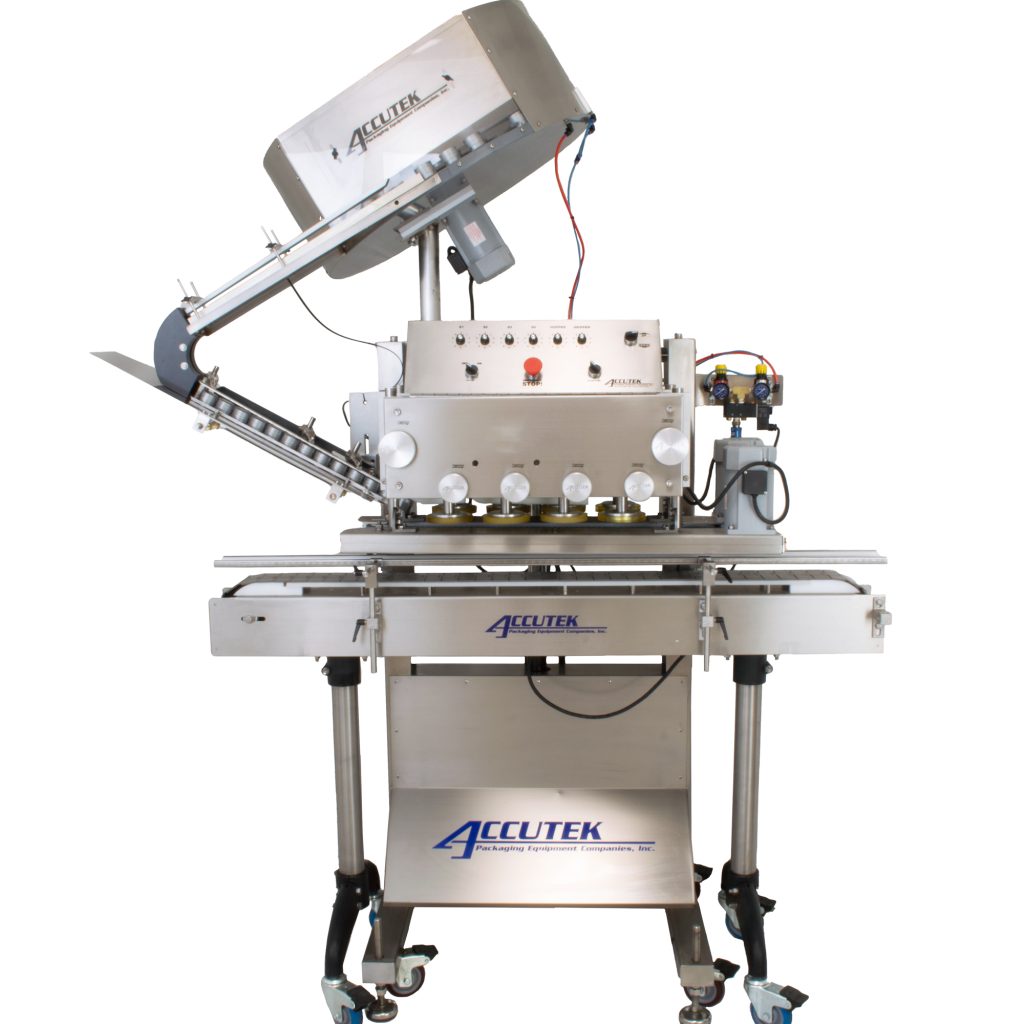
Capping Machines
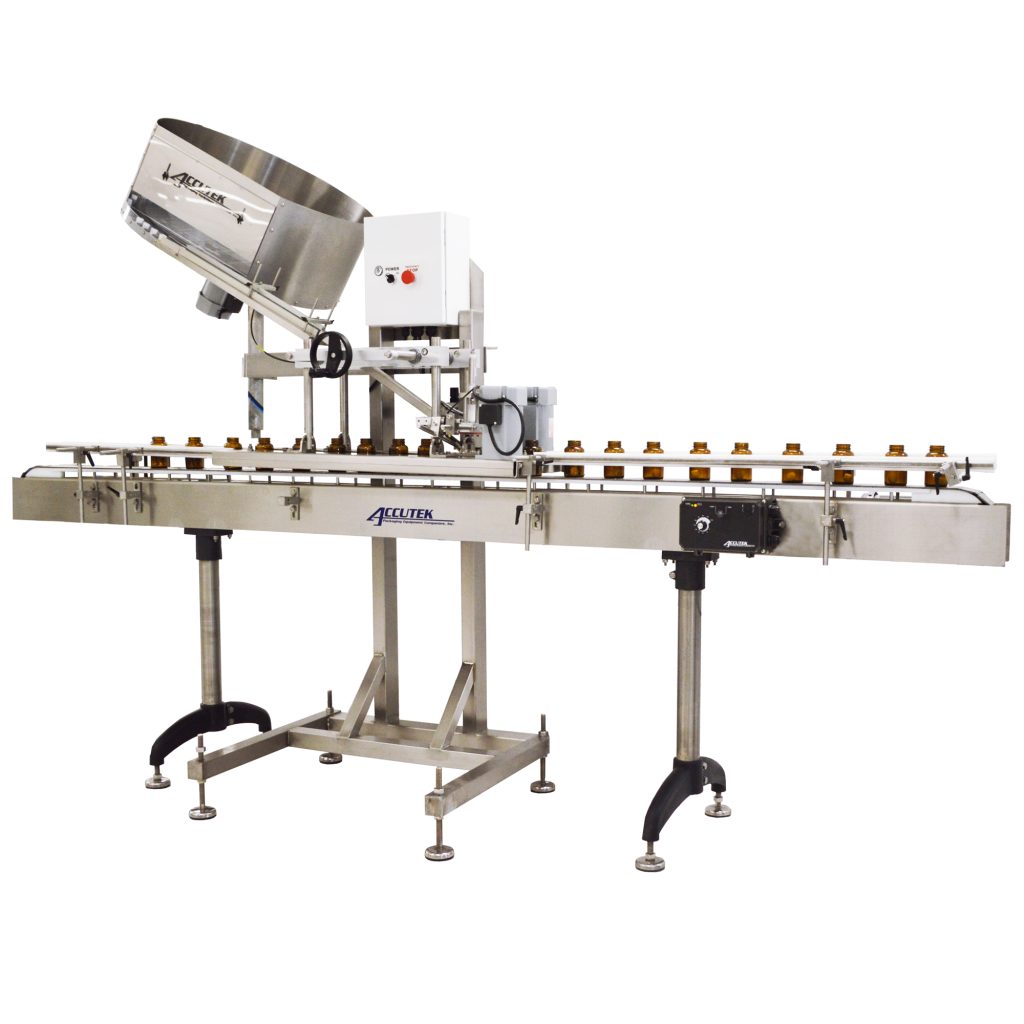
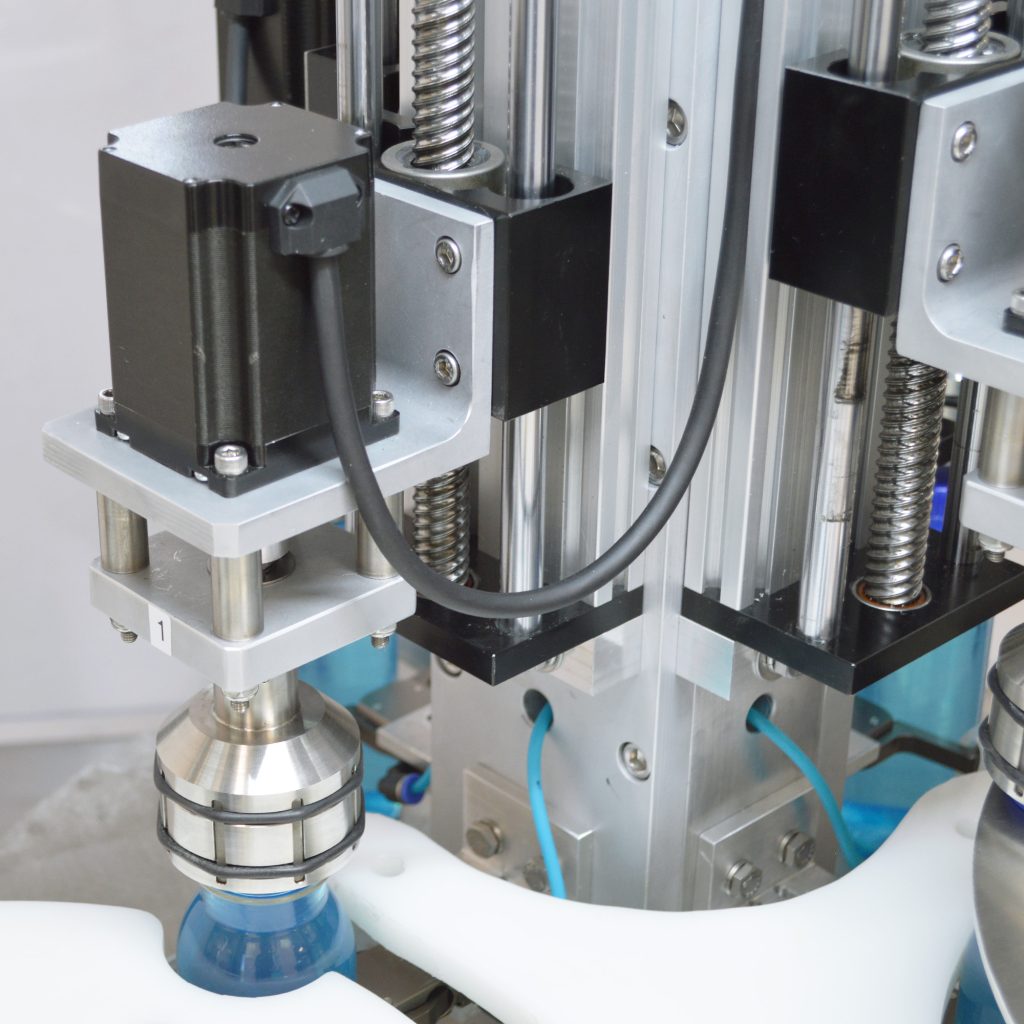
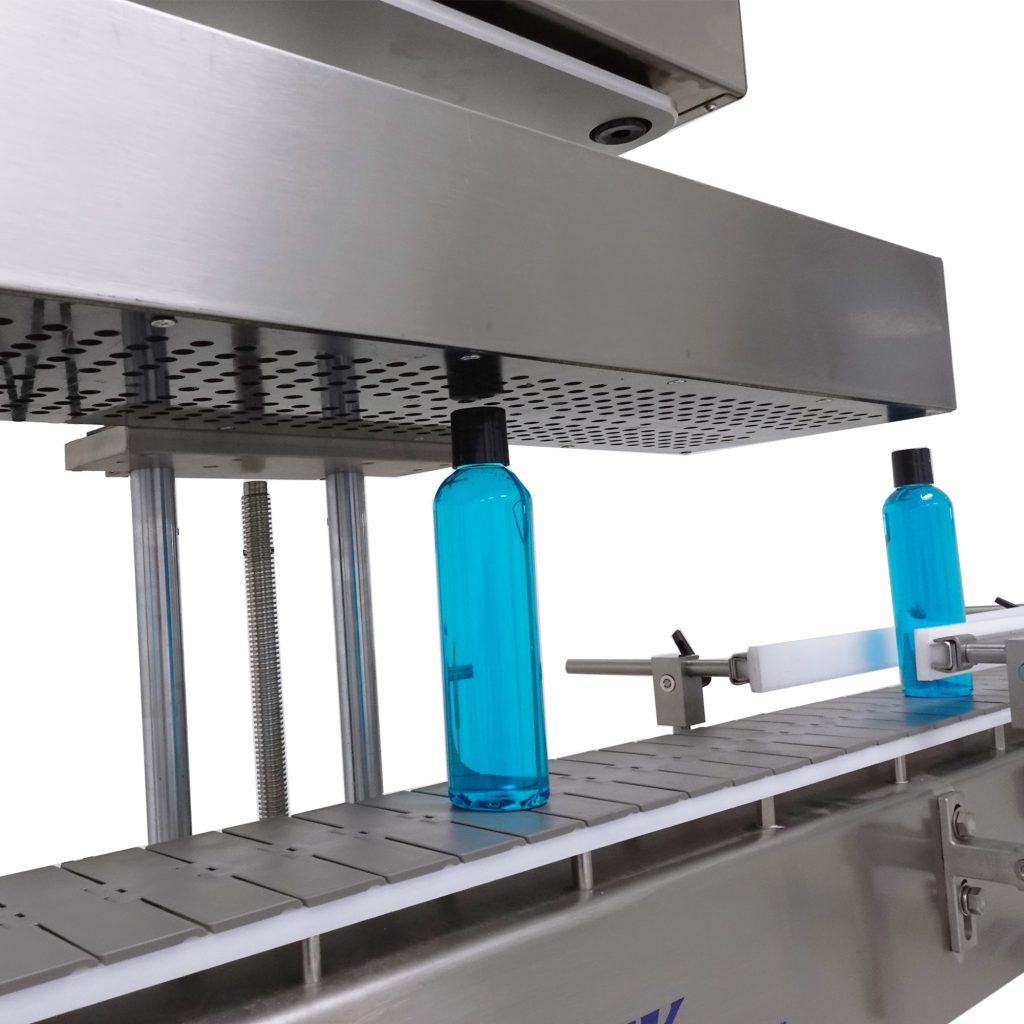
Capping systems secure closures and maintain product integrity. Proper torque control is essential for safety, compliance, and brand protection.
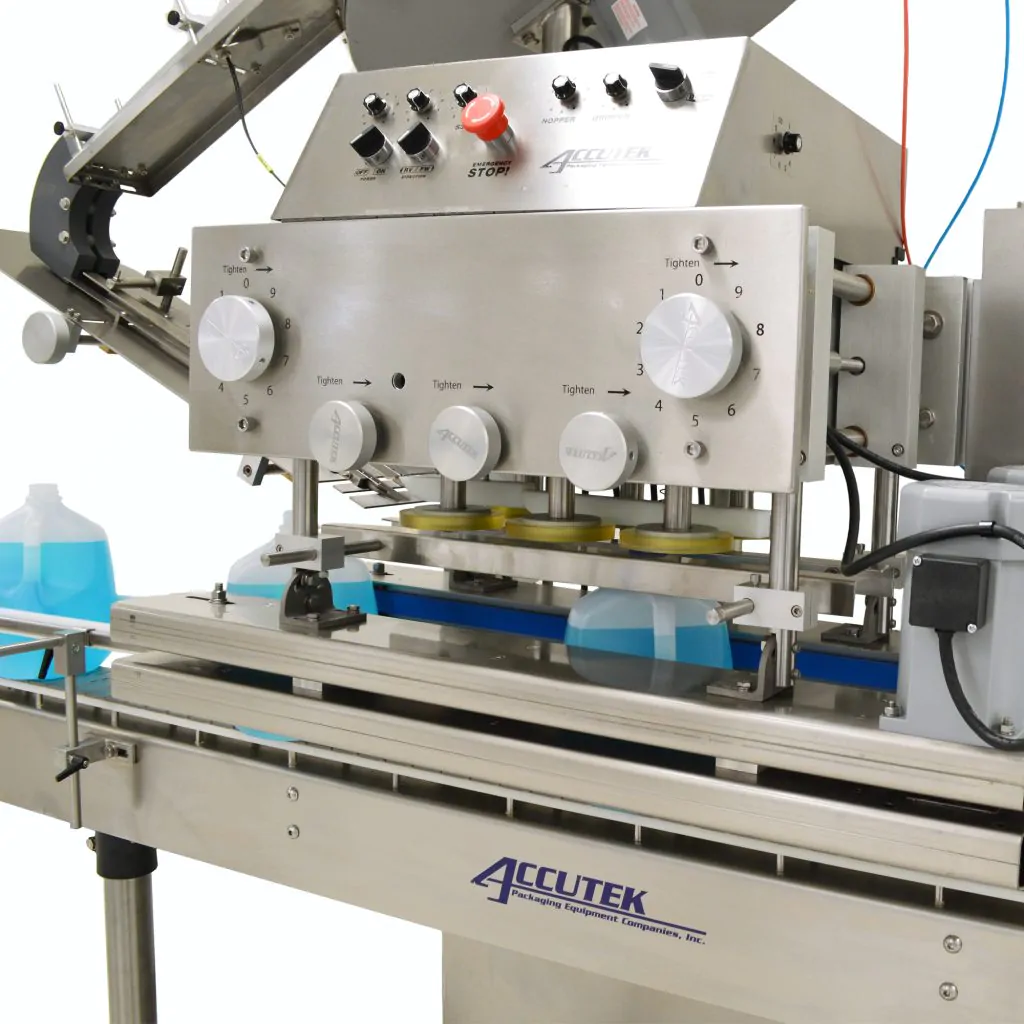
Spindle Cappers
Continuous-motion machines designed for high-speed lines.
Adjustable spindle sets
Handle a wide range of screw caps
Suitable for high-volume production
Simple line integration
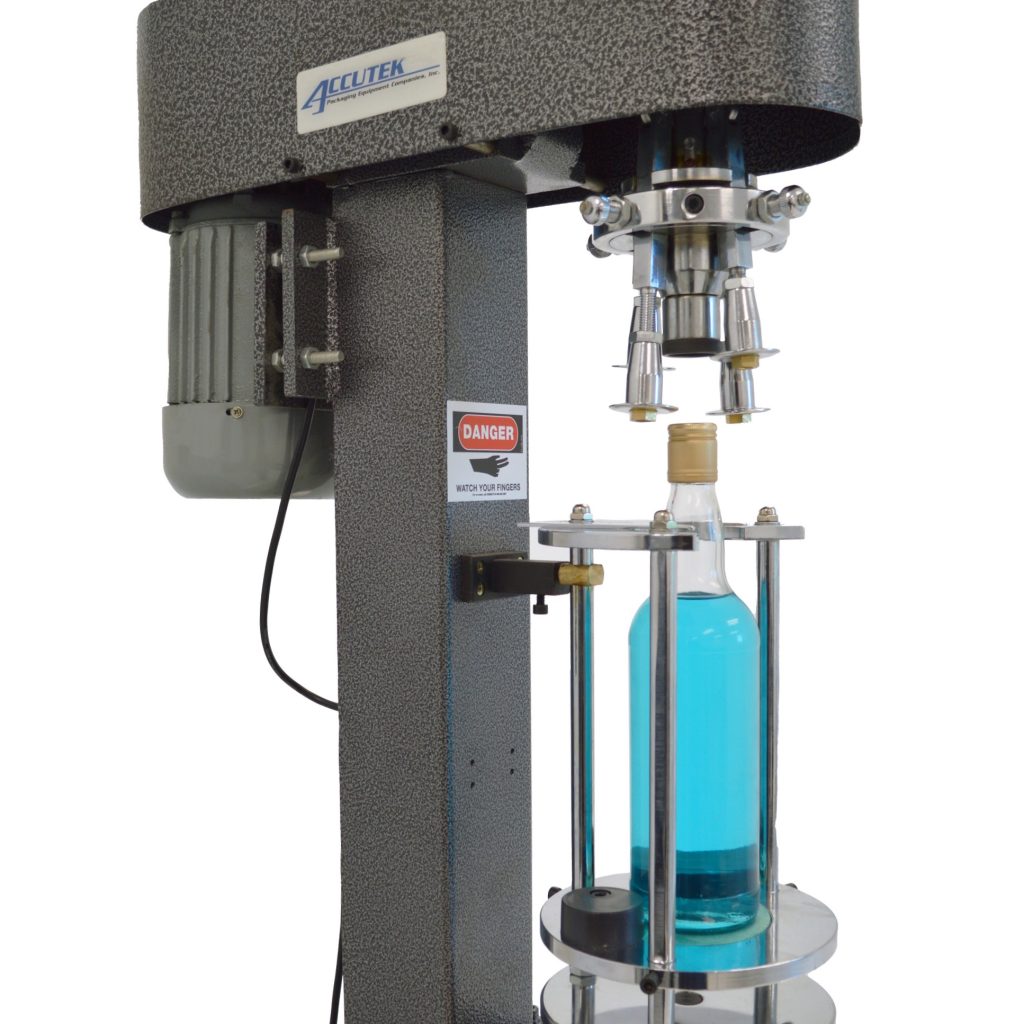
Chuck Cappers
Intermittent-motion systems for precise torque application.
Controlled tightening force
Ideal for regulated industries
Consistent cap placement accuracy
Snap Cappers
Designed for press-on closures and specialty cap formats.
Reliable cap seating
Efficient for unique packaging formats
Retorquers
Used after induction sealing to verify and adjust closure torque.
Ensures seal integrity
Enhances quality control
Maintains compliance standards
Capping equipment must align with upstream filling and downstream labeling systems to maintain line stability.
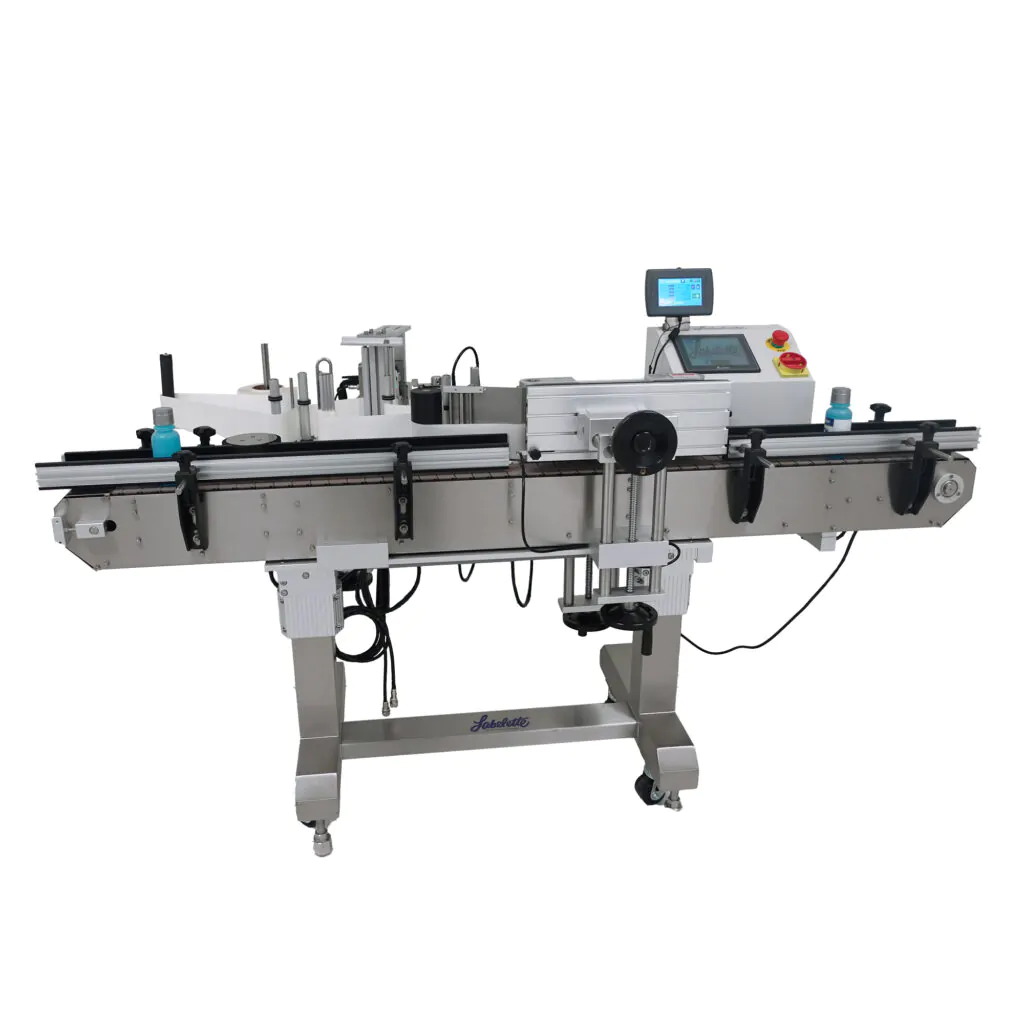
Labeling Machines
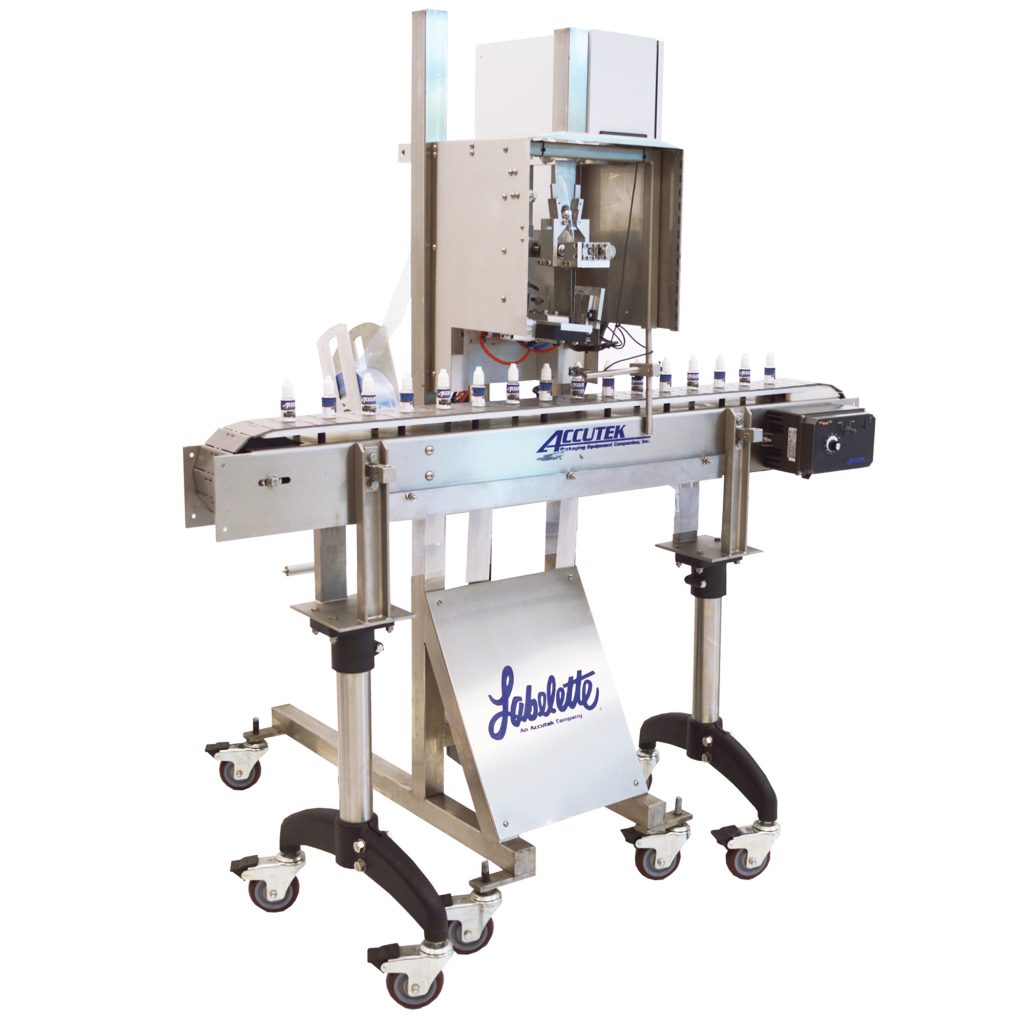
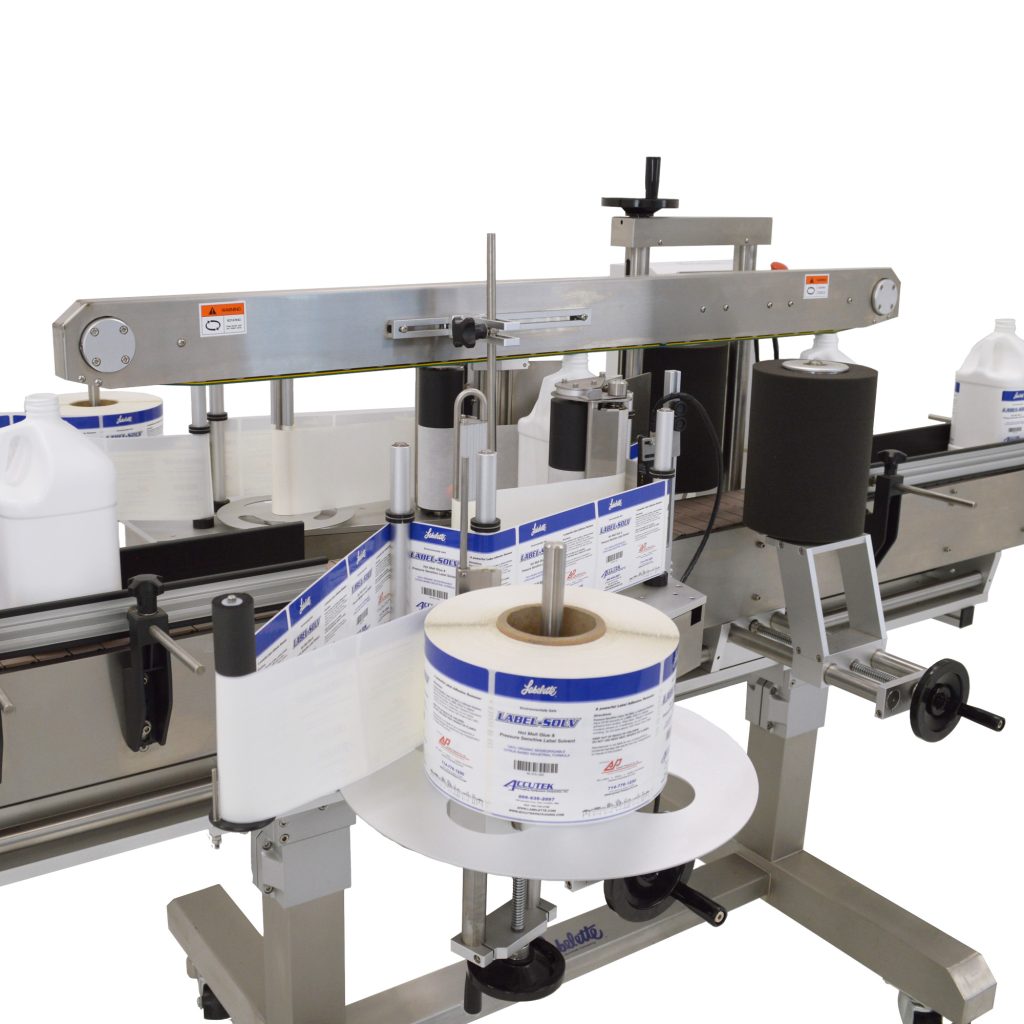
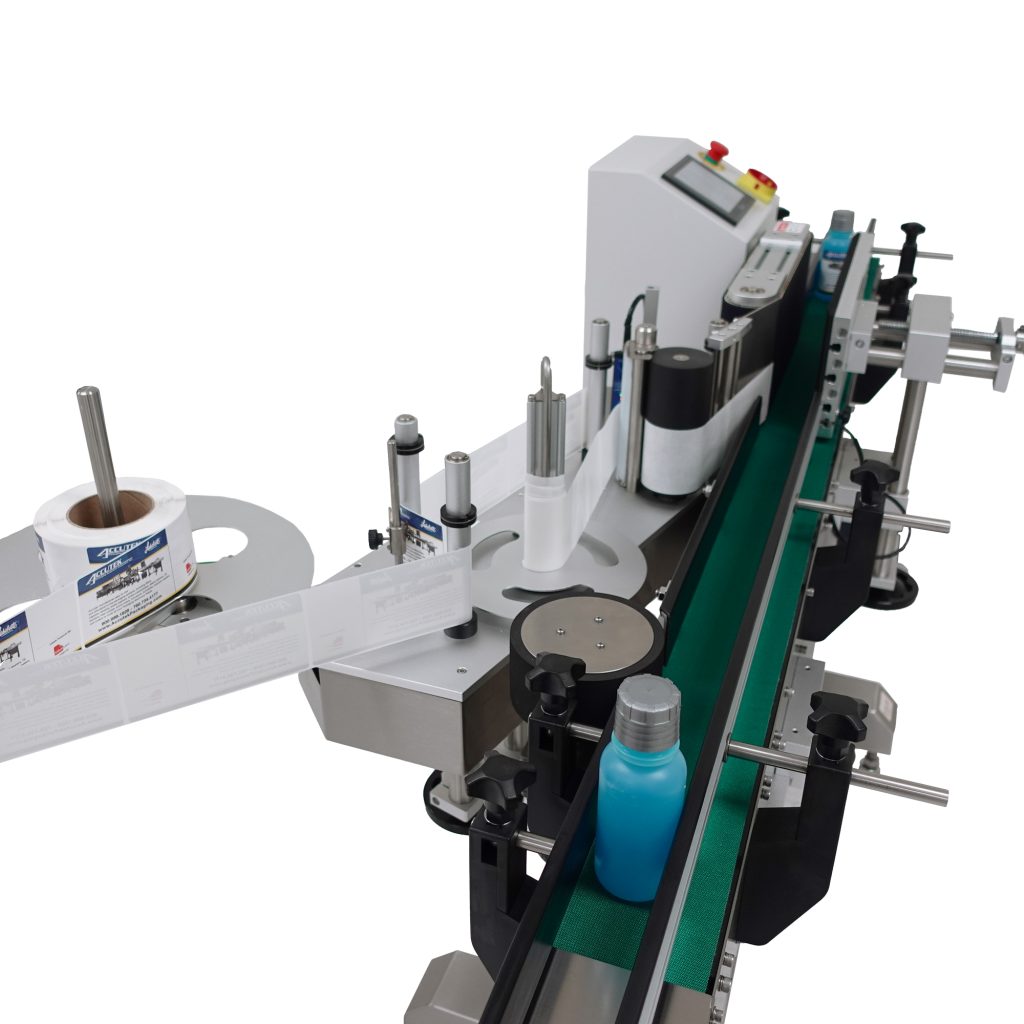
Labeling systems apply branding, compliance information, and tracking identifiers with precision.
Pressure Sensitive Labelers
Flexible with container shapes
Quick format adjustments
Suitable for most industries
Hot Glue Labelers
Designed for high-speed wrap applications
Strong sticking performance
Ideal for large production volumes
Rotary Labeling Systems
Continuous high-output operation
Smooth container handling
Built for large-scale production
Wrap-Around & Horizontal Systems
Engineered for cylindrical or unstable containers
Supported handling during label application
Consistent placement accuracy
Labeling equipment must maintain container spacing and synchronize precisely with conveyor systems to preserve production.
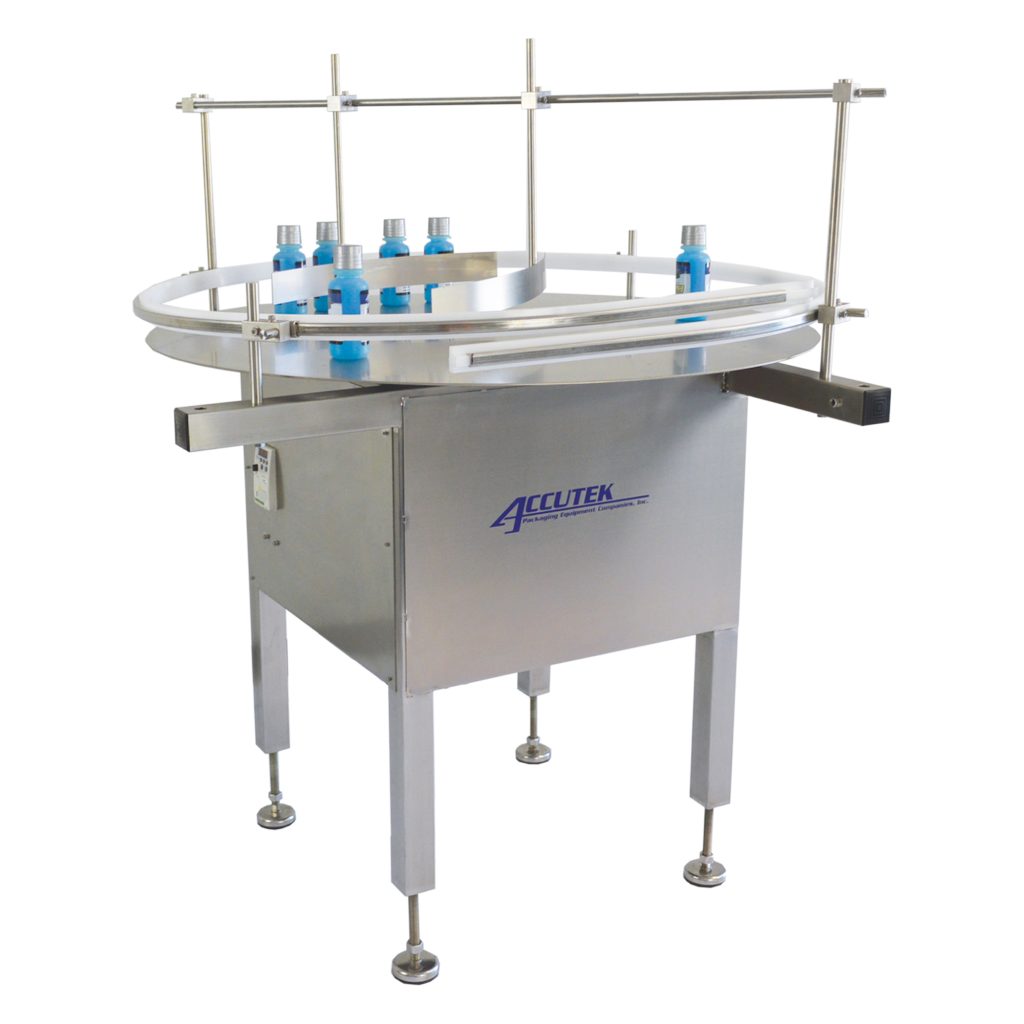
Conveyors & Material Handling Systems
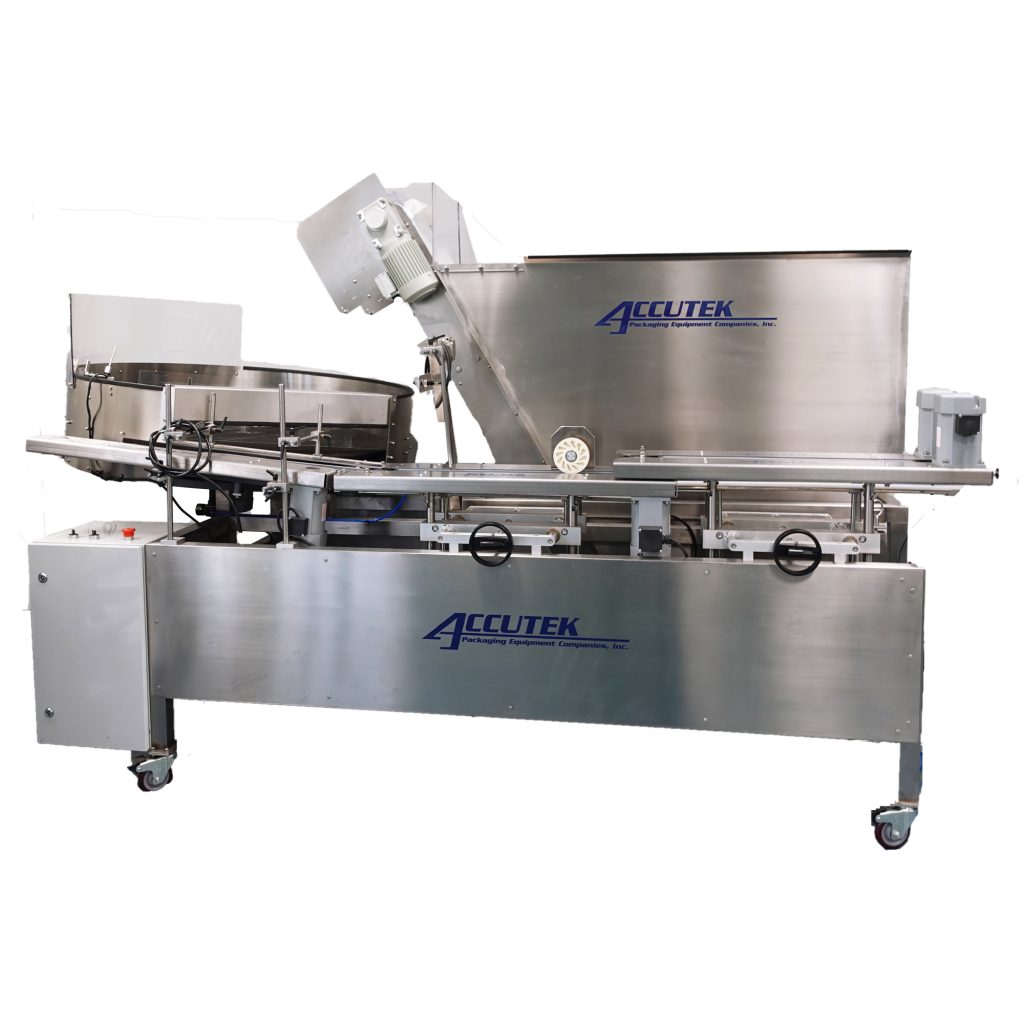
Material handling forms the foundation of packaging line stability. Such machines include things like case sealers and case tapers for handling boxes and other large items.
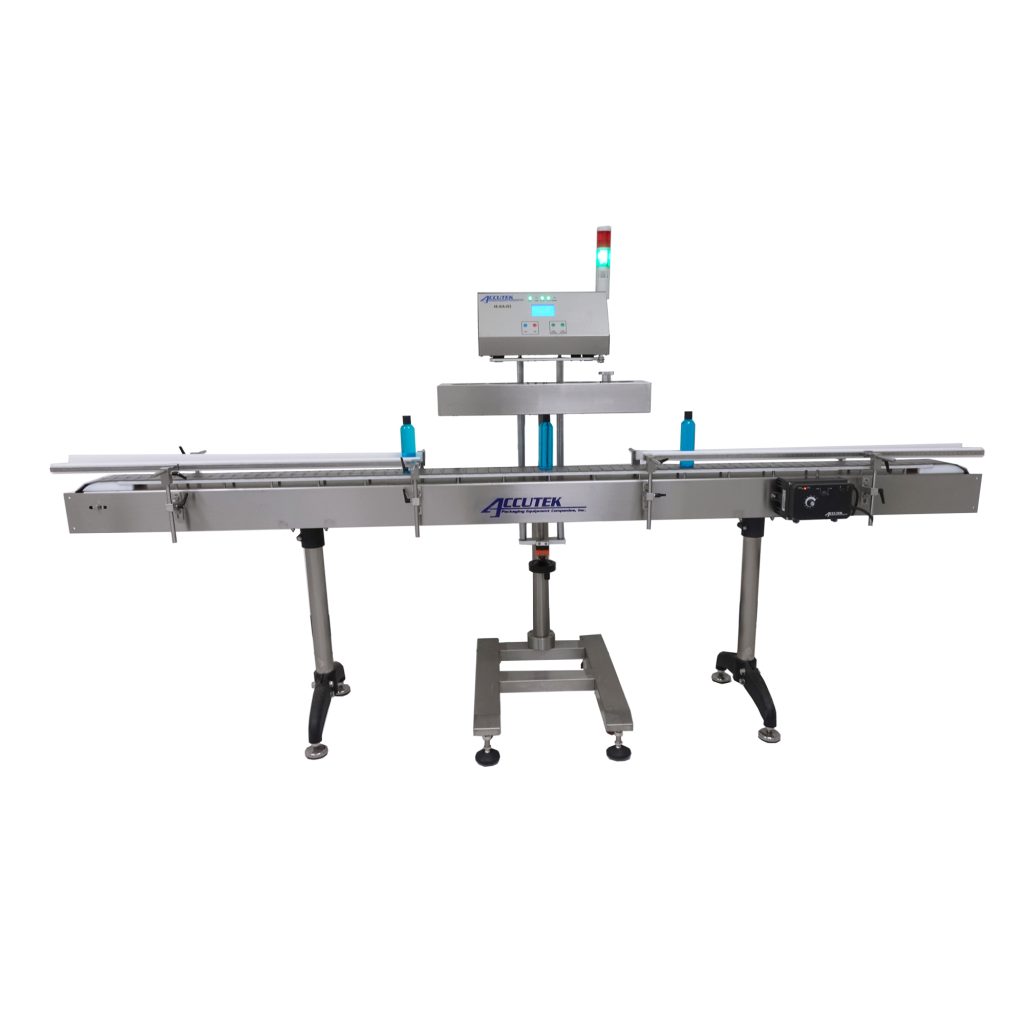
Inline Conveyors
Controlled container movement
Adjustable speed
Smooth transitions between stations
Accumulation Systems
Manages container flow
Reduces downtime during upstream interruptions
Maintains line balance
Bottle Orienters
Correct container positioning
Improves labeling and filling accuracy
Enhances overall line efficiency
Integration Modules
Timing screw systems
Electronic synchronization controls
Different parts of the line can share information
Well-engineered conveyance reduces back-pressure, minimizes stops, and stabilizes production performance.
System Integration & Complete Line Solutions
While machines can operate alone, superior packaging operations are achieved through full system integration.
An integrated packaging line brings together:
Filling
Capping
Labeling
Inspection
Coding
Final packaging
System-level integration ensures:
Matching line speed
Reduced downtime
Controlled restart behavior
Improved equipment effectiveness
Easier expansion
Automatic control allows for better communication and uniform movement across the production line. This approach positions packaging machinery as an engineered system — not just individual equipment components.
System Component
Primary Role in Line
Performance Priority
Scalability Impact
Risk if Poorly Integrated
Filler
Product dosing control
Volume accuracy
Moderate
Overfill / underfill
Capper
Closure application
Torque consistency
Moderate
Seal failure
Labeler
Branding & compliance
Placement precision
Moderate
Mislabeling
Conveyor
Container movement
Line balance
High
Micro-stops
Control System
Cross-station synching
Production stability
Very High
System-wide downtime
Industries Served:
Packaging machines support multiple industries, including:
Food & Beverage
Pharmaceutical
Chemical
Cosmetics & Personal Care
Household Products
Each sector has unique requirements, so equipment selection needs to match production goals and regulations.
Consult with Packaging Engineers
From standalone machines to complete packaging lines, experienced packaging engineers evaluate a wide variety of factors before recommending solutions.
Structured engineering support ensures long-term stability and expandable production performance.
For more information, contact Accutek Packaging to talk with our engineers. You can count on us to find the best packaging solutions for you.
 (760) 734-4177